
Electrical fires cause roughly 51,000 home fires every year in the United States, killing nearly 500 people and causing more than $1.3 billion in property damage. Most are preventable. The difference between a safe home and a serious incident usually comes down to a handful of habits and a few inexpensive upgrades. Here's what every Long Island homeowner should know.
Outlet and Cord Safety: The Basics That Save Lives
The single most common cause of home electrical fires is the overuse — and misuse — of outlets and cords. The fixes are simple:
- Never daisy-chain power strips — plugging one strip into another overloads the circuit and bypasses the strip's overload protection
- Don't run extension cords under rugs — heat builds, insulation degrades, and you can't see the damage until it's too late
- Replace any cord with cracked, frayed, or exposed insulation — no exceptions, even for "just a small spot"
- Use the right power strip — look for one with a built-in circuit breaker and a UL listing
- Unplug heat-producing appliances (space heaters, irons, toasters) when not in use
- Don't force three-prong plugs into two-prong outlets — the ground connection is there for a reason
If your home is constantly running short on outlets, that's not a power-strip problem. It's a sign your home needs additional dedicated circuits installed.
GFCI and AFCI Outlets: Know Where You Need Them
Two technologies dramatically reduce electrical injuries and fires. Both are required by current code in specific locations.
GFCI (Ground-Fault Circuit Interrupter)
GFCIs shut off power within milliseconds when they detect current escaping the circuit — typically through water or a person. They're required in:
- Bathrooms
- Kitchens (countertop outlets)
- Laundry rooms
- Garages
- Basements (unfinished areas)
- Outdoor outlets
- Within 6 feet of any sink
- Pool and hot tub circuits
Test GFCI outlets monthly using the built-in TEST and RESET buttons. If a GFCI won't reset, stop using it and call an electrician.
AFCI (Arc-Fault Circuit Interrupter)
AFCIs detect dangerous arcing — the precursor to most electrical fires — and cut power before ignition. Modern code requires them in nearly every living-space circuit: bedrooms, living rooms, dining rooms, hallways, closets, and family rooms. If your home was wired before 2008, it likely doesn't have AFCI protection, and a retrofit is one of the highest-value safety upgrades you can make.
Warning Signs You Should Never Ignore
Your home's electrical system tells you when it's in trouble. The warning signs are subtle until they aren't:
- Warm or hot switch plates or outlets — current shouldn't generate heat at the outlet face
- Discolored or scorched outlets — clear evidence of arcing
- Burning or "fishy" smell near outlets, switches, or the electrical panel
- Lights that flicker or dim when appliances start up
- Buzzing or sizzling sounds from outlets, switches, or the panel
- Breakers that trip repeatedly on the same circuit
- Tingling or mild shock when touching an appliance
- Two-prong outlets in a home built after 1965 — usually a sign of ungrounded wiring
Any of these warrants an inspection. Some of them point to a panel that needs upgrading; others point to a single problem circuit. Either way, ignoring them is how small problems become serious ones.
Childproofing Your Electrical System
If you have small children or grandchildren in the home, a few inexpensive upgrades make a real difference:
- Install tamper-resistant (TR) receptacles — these have internal shutters that prevent objects from being inserted into the slots. Code-required in new construction; an easy retrofit for older homes.
- Secure loose cords behind furniture or with cord covers so they can't be pulled or chewed
- Use outlet covers on unused outlets — solid plug-in covers are safer than the small plastic plugs, which can become choking hazards
- Keep small appliances (hair dryers, curling irons, mixers) unplugged and stored when not in use
Outdoor Electrical Safety
Long Island weather is hard on outdoor electrical equipment. Salt air, freeze-thaw cycles, and storm exposure all take a toll. Best practices:
- Use weatherproof "in-use" outlet covers on every outdoor receptacle — the kind that closes around the plugged-in cord
- Inspect outdoor outlets and fixtures annually for rust, corrosion, and damaged seals
- Keep extension cords rated for outdoor use — never run indoor cords outside, even temporarily
- Trim vegetation away from your service drop, meter, and any outdoor electrical equipment
- Never approach a downed power line — assume it's energized, stay at least 35 feet away, and call 911 and PSEG Long Island
- Look up before raising ladders — overhead service lines are closer than you think
Water and Electricity: A Critical Reminder
Water dramatically increases the conductivity of any surface, including your skin. Simple rules that prevent the worst kinds of accidents:
- Never touch electrical devices with wet hands or while standing in water
- Don't use electrical appliances (radios, hair dryers, phones plugged in to charge) near a filled sink or bathtub
- If an appliance falls into water, do not reach for it — turn off the breaker first, then unplug
- After flooding (including basement seepage), have an electrician inspect any submerged outlets, switches, or panels before re-energizing
When DIY Ends and a Licensed Electrician Begins
Plenty of homeowners can swap a light fixture or replace a switch. But certain jobs cross the line into work that should always involve a licensed electrician:
- Anything involving the main electrical panel
- Adding new circuits or extending existing ones
- Installing GFCI or AFCI breakers
- Aluminum-wiring repairs or replacement
- Knob-and-tube wiring (common in older Long Island homes)
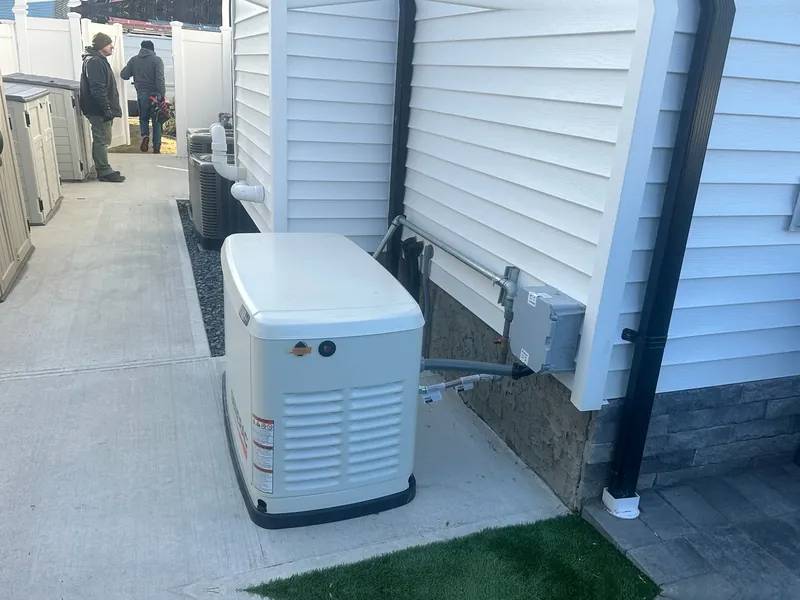
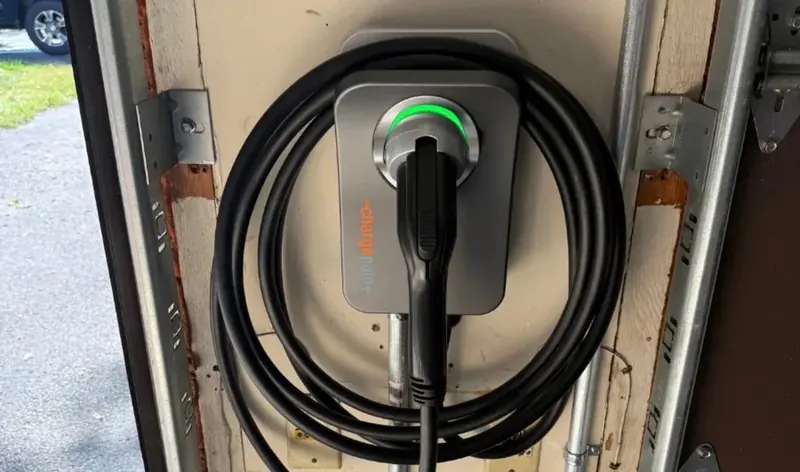
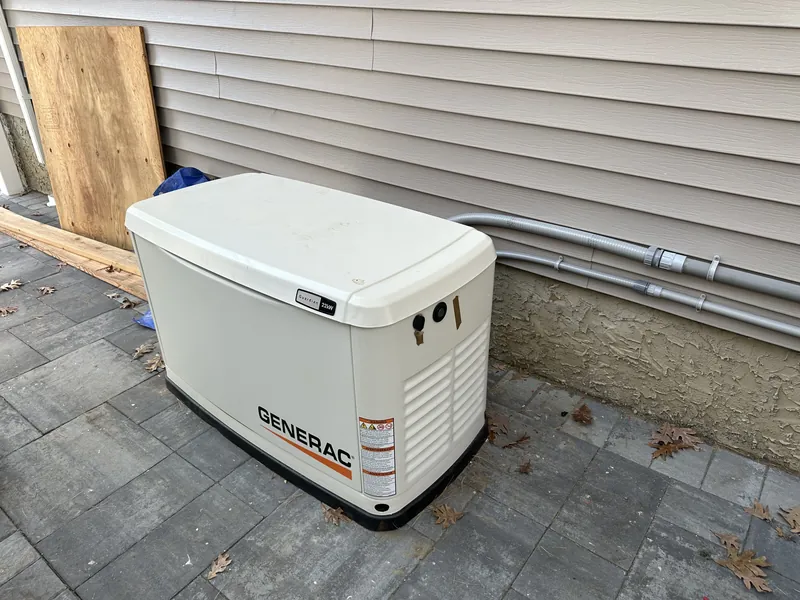
- EV charger or generator installations
- Outdoor wiring runs
- Pool, hot tub, or wet-location wiring
- Any work that requires a permit
DIY electrical work that fails inspection can void your homeowner's insurance and create disclosure problems when you sell the house. The cost savings rarely pencil out.
Your Annual Electrical Safety Checklist
Once a year — pick a memorable date, like daylight savings or the start of hurricane season — walk through this checklist:
- Test every GFCI outlet using its TEST/RESET buttons
- Test smoke detectors and carbon monoxide alarms; replace batteries
- Inspect every visible cord and power strip for damage
- Check outdoor outlets, fixtures, and the service drop for damage or corrosion
- Listen at the panel for any buzzing or humming sounds
- Note the date of your panel; if it's over 25 years old, schedule an inspection
- Confirm no extension cords have become permanent wiring
- Walk the property and trim back any vegetation touching electrical equipment
The Bottom Line
Electrical safety isn't about being paranoid — it's about being attentive. The warning signs are almost always visible before something serious happens. If your home is more than 25 years old, has any of the warning signs above, or hasn't had an electrical inspection in the last decade, an hour with a licensed electrician is the cheapest insurance you'll ever buy.
MTL Electric performs comprehensive electrical safety inspections across Suffolk County and Nassau County. Schedule yours today.