Atlantic hurricane season runs from June 1 through November 30, and Long Island sits squarely in the storm corridor. Sandy. Irene. Isaias. Ida. Every recent decade has delivered at least one major event that knocked out power for hundreds of thousands of homes — sometimes for weeks. The homeowners who fare best aren't lucky. They prepare in May, not when the cone of uncertainty is already pointed at Montauk. Here's how to get your home's electrical system storm-ready.
Why Long Island Is So Exposed
Coastal flooding, dense tree cover, and an aging overhead distribution grid are the three reasons Long Island consistently sees longer outages than inland New York. Storm surge damages substations and meter pans (which the utility won't restore until the homeowner replaces them); falling trees take down service drops to individual homes; and lightning routinely fries unprotected electronics. Each of these has a specific electrical preparation that mitigates the damage.
Pre-Season Electrical Inspection
The single most valuable thing you can do before June 1 is schedule a pre-season inspection. A licensed electrician will check:
- Service entrance and meter pan — looking for rust, corrosion, loose connections, or compromised weatherheads
- Main panel — heat damage, double-tapped breakers, missing knockouts, signs of moisture intrusion
- Grounding system — a properly grounded home survives lightning events that destroy ungrounded systems
- GFCI outlets — especially outdoor and basement receptacles that will be exposed to water
- Sump pump circuit — confirming it's on its own dedicated circuit with proper backup
- Generator transfer switch — battery, operation, and load test if you have one
Most pre-season inspections take under two hours and identify issues that, left alone, would have caused real problems during a storm.
Whole-House Surge Protection
Plug-in surge strips protect a single device. They do nothing against the kind of surge that arrives over your service line during a lightning event or grid switching. Whole-house surge protection installs at your main panel and absorbs surges before they enter your home's wiring.
For a few hundred dollars installed, a quality Type 2 whole-house surge protector defends:
- HVAC systems and heat pumps (the most expensive single point of failure)
- Refrigerators, freezers, and other appliances with electronic controls
- Smart home hubs, security systems, and networking equipment
- Hardwired lighting and dimmers
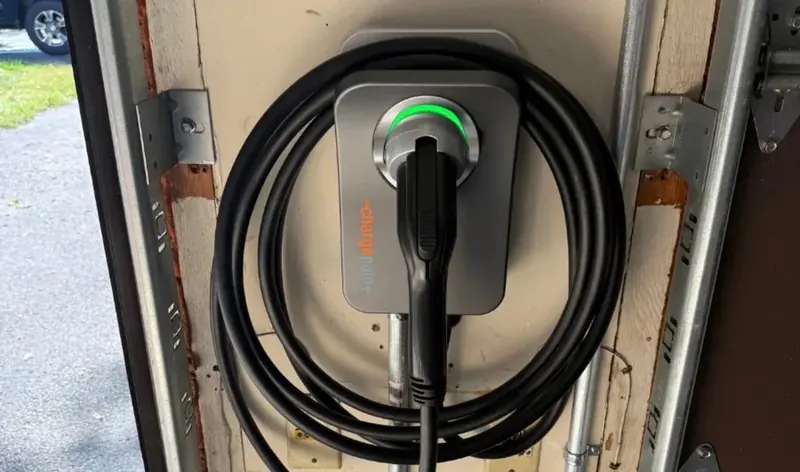
- EV chargers
It's one of the highest-return safety upgrades available — and code recommends it for new construction precisely because the cost of a single surge event vastly exceeds the install.
Generator Readiness
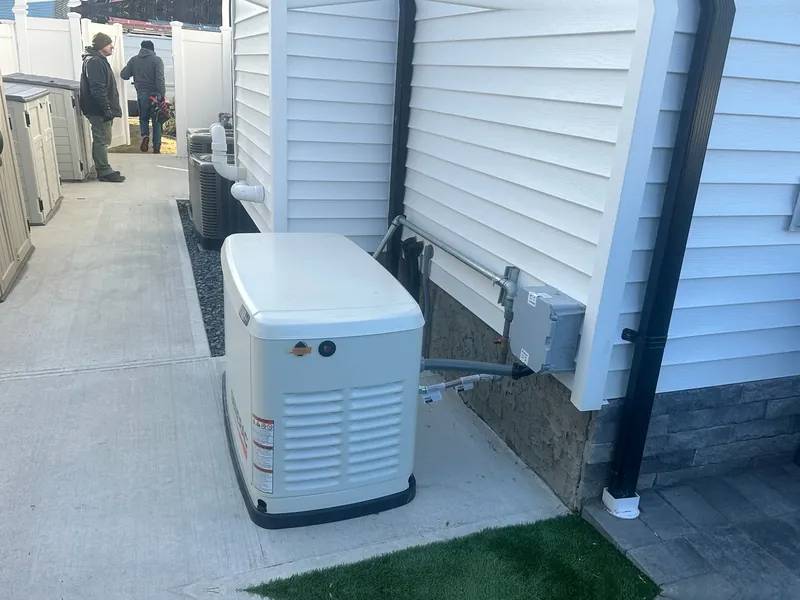
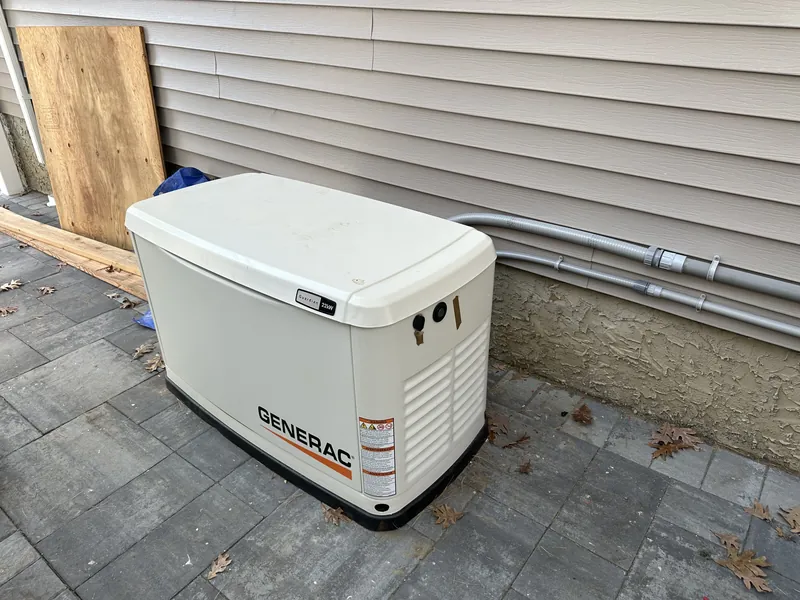
If you have a standby generator, hurricane prep means confirming it will actually start when you need it. The leading cause of standby generator failure during outages isn't the generator — it's a dead battery, a closed fuel valve, or skipped maintenance.
Run through this checklist every May:
- Manually exercise the generator — confirm it starts, runs under load, and shuts down cleanly
- Check the battery — most standby generator batteries last 3 to 5 years; replace proactively
- Verify fuel supply — full propane tank, or natural gas valve open and pressure normal
- Inspect the air intake — clear leaves, nests, and debris
- Confirm the transfer switch operates — by simulating an outage at the panel
- Schedule annual service — oil, filters, spark plugs as needed
If you have a portable generator, the prep list is different but equally important: read our full guide to backup generators on Long Island for details on safe operation, transfer switches, and why portable units often disappoint during long outages.
Sump Pumps and Critical Circuits
For Long Island homes with finished basements, the sump pump is the single most important electrical load during a storm. A failed sump pump during heavy rain destroys flooring, drywall, HVAC equipment, and stored belongings within hours.
Best practices:
- Sump pump on its own dedicated circuit — never share with the laundry or another major load
- Battery backup pump — a secondary DC pump that runs when grid power fails
- Water alarm sensor — alerts your phone the moment water rises
- Generator-backed circuit — if you have a whole-house generator, the sump pump should be on a managed circuit
Trim Vegetation Around Your Service Drop
Most home-specific outages on Long Island happen at the service drop — the cable that runs from the pole to your house. Branches don't have to fall on the line; even moderate contact during high winds can tear the service entrance off the side of your home, and that damage is the homeowner's responsibility to repair before PSEG-LI will reconnect.
- Maintain at least 10 feet of clearance around the service drop
- Never trim trees near the service drop yourself — call PSEG-LI for utility-line clearance
- Inspect the weatherhead and mast for rust or loose connections every spring
During the Storm: What to Do
Once the storm is overhead, your electrical safety priorities shift:
- Unplug sensitive electronics — TVs, computers, gaming consoles — even if you have whole-house surge protection (defense in depth)
- Leave one light on in a visible location so you know when power is restored
- Don't operate the main breaker repeatedly — if power flickers, leave it alone
- Stay away from windows near electrical equipment — outlets, switches, the panel
- Never use a generator indoors or in an attached garage — carbon monoxide kills
- Keep a flashlight near the panel, not just a candle — open flames in a storm are a recipe for a worse disaster
After the Storm: The Critical Don'ts
The most dangerous electrical situations on Long Island happen after the storm passes. Follow these rules:
- Do not enter a flooded basement if the breakers are still on — shut off power at the main first, from a dry location if possible
- Do not re-energize submerged outlets, switches, or panels — they must be inspected, and often replaced, by a licensed electrician
- Do not approach downed lines — assume every line is live, stay 35 feet away, and report to PSEG-LI at 1-800-490-0075
- Do not run a generator in a garage — even with the door open
- Do not backfeed power into your home by plugging a generator into an outlet — this can electrocute utility workers and is illegal
If your service drop is damaged, your meter pan is loose or rusted, or your panel has any signs of water intrusion, call an electrician before PSEG-LI can restore service. Repairing this side of the meter is the homeowner's responsibility, and MTL Electric handles these emergency calls regularly after major storms.
Your May Storm-Prep Checklist
- Schedule a pre-season electrical inspection
- Install whole-house surge protection if you don't have it
- Exercise and service your standby generator
- Test and battery-back your sump pump
- Trim vegetation away from the service drop (or call PSEG-LI)
- Charge battery banks for portable lighting and phones
- Confirm GFCI outlets work in basements, garages, and outdoors
- Locate and label your main shutoff so anyone in the house can find it
The Bottom Line
Hurricane prep isn't about predicting the storm — it's about making sure that when one comes, your home is on the short list of properties that come through with the least damage and the fastest restoration. The investments that pay off are the ones you make before the season starts.
MTL Electric serves Suffolk County and Nassau County with pre-season inspections, surge protection, generator service, and 24/7 emergency electrical response. Book your pre-season inspection now while the calendar's still open.